STANDARDS
Committees
Member organizations develop standards through technical representatives who serve on subcommittees focused on specific areas of broadband technology. These technical subcommittees act as the consensus bodies for standards development, while the Engineering Committee of the SCTE Board of Directors oversees the overall standards program.
Engineering Committee
The Engineering Committee is responsible for all standards and recommended practices activities of SCTE. Any Committees, subcommittees and working groups or task forces necessary for standards and practices development report to the Engineering Committee.
Committee Members
Comcast Cable Amphenol Broadband Solutions Dave Fellows Ron Hranac Rogers Communications Bridget Kimball CableLabs NCTA Comcast Cable Charter Communications Comcast Cable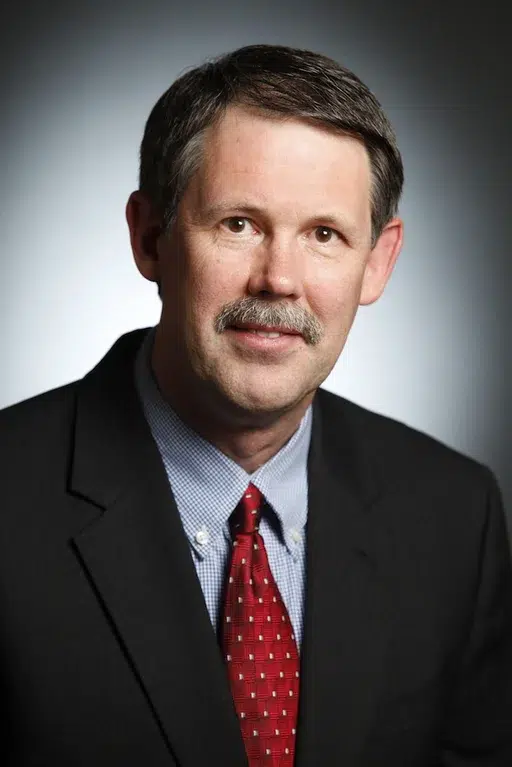
Bill Warga

Ryan Capone
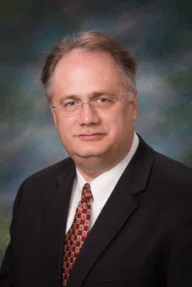
Tim Cooke
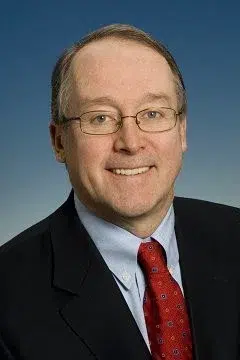

Paul Hearty
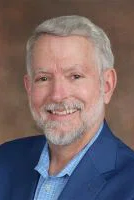

Craig Hrycoy
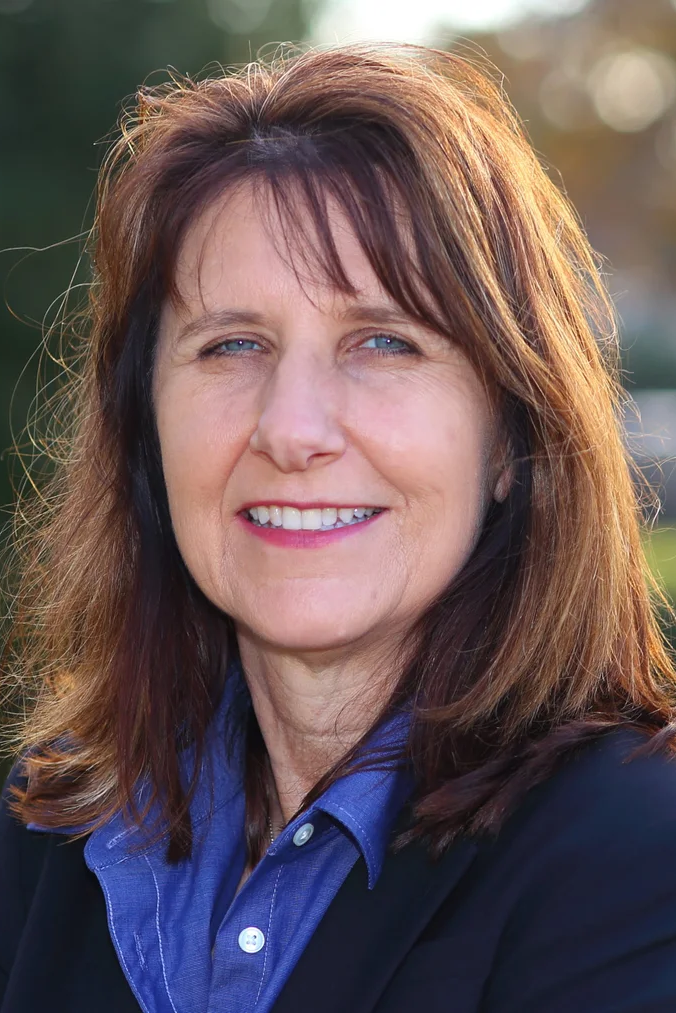
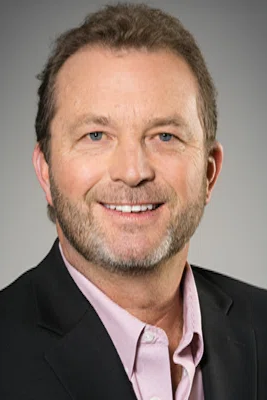
Curtis Knittle
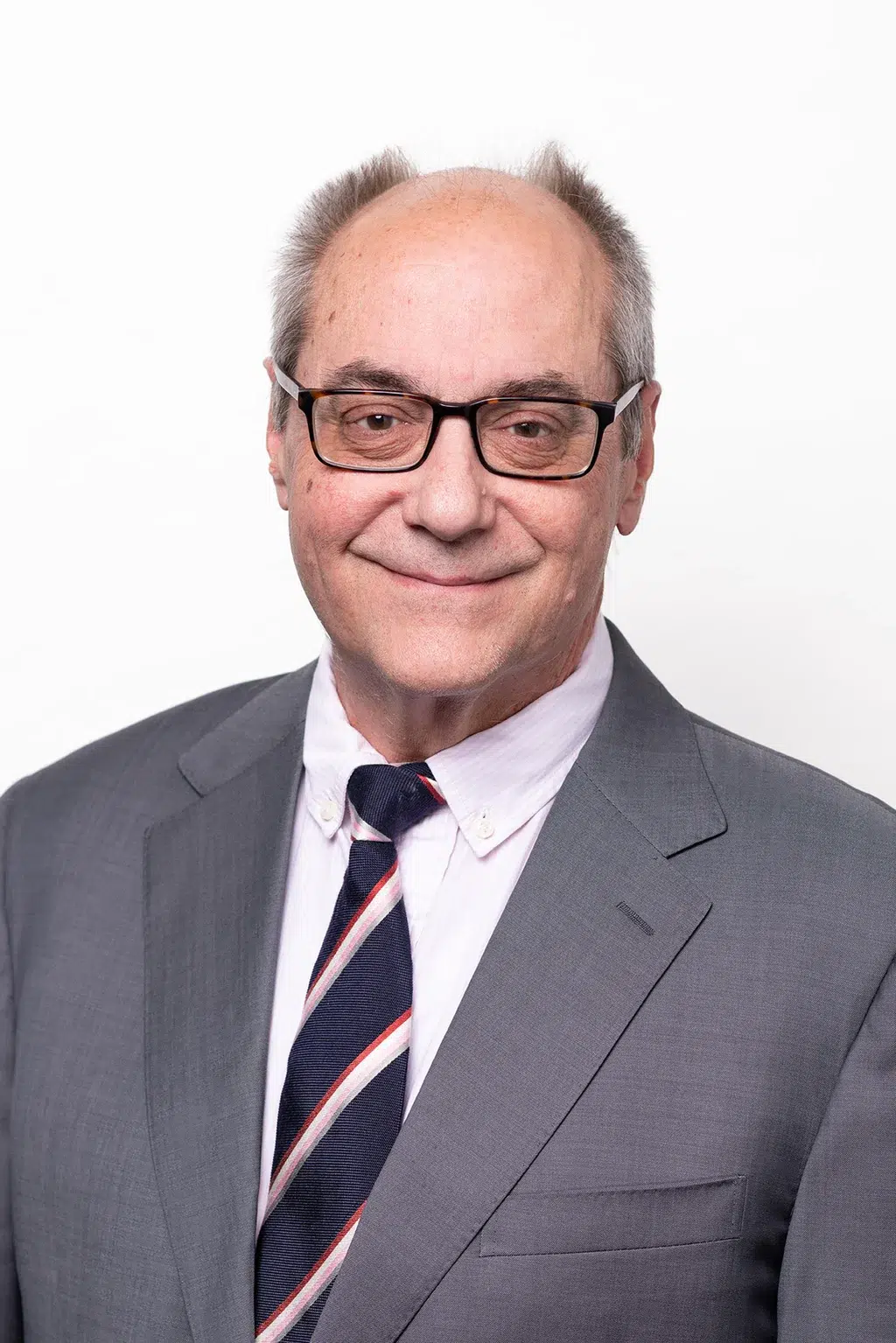
Steve Mace
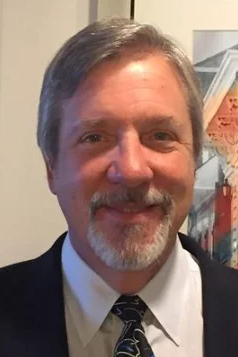
Richard Prodan

Nick Segura
Yasser Syed
Steve Watkins
Subcommittees
The Data Standards Subcommittee (DSS) develops standards for the delivery of digital service for supporting high-speed data, video, VoIP, and other services over cable networks. DSS is developing a long list of standards related to the transmission, test methods, and monitoring of data communications over broadband networks. * Note: You must have an SCTE Standards account to join a working group.Subcommittee Chair
Charter
Working Group
Artificial Intelligence and Machine Learning (AI/ML) Working Group
Paul J. Hearty, Ph.D. Chief Standards Strategist, Digital Media Solutions Lab, Samsung Research America The Digital Video Subcommittee (DVS) identifies requirements and develops standards and operational practices for the design and operation of systems for delivery of video, audio and associated data for the cable Industry, coordinating as necessary with organizations such as ATSC, CTA, SMPTE, NCTA and CableLabs. * Note: You must have an SCTE Standards account to join a working group. The DVS Next Generation Systems Ad-hoc group monitors technology advances in the industry and advises DVS on technology that should be investigated or pursued, work being conducted in other standards development organizations for which DVS should establish liaisons, and needs or opportunities in the cable industry that should be addressed by DVS. Work on immersive video by the ad-hoc group addresses infrastructure, applications and requirements to support this emerging area. The driving focuses center on gathering information on key industry issues such as quality assessment and associated metrics together with developing matrices for determining the capabilities of potential services. The MPEG-DASH working group investigates implications of MPEG-DASH (Dynamic Adaptive Streaming over HTTP) and creates relevant standards including topics such as MPD constraints and extensions, incorporation of VVC and HDR, extensions and constraints for DASH ISOBMFF profile (including CMAF), a low latency profile for DASH, and a DASH reference architecture. It maintains liaisons with MPEG-DASH, DASH-IF, CTA WAVE, and W3C to help coordinate activities and direction. The Advanced Coding Technologies drafting group creates standards and operational practices for H.264, VC1, VVC, and other advanced codecs.
Subcommittee Chair
Charter
DVS Major Focus Areas:
Working Groups
The Digital Program Insertion
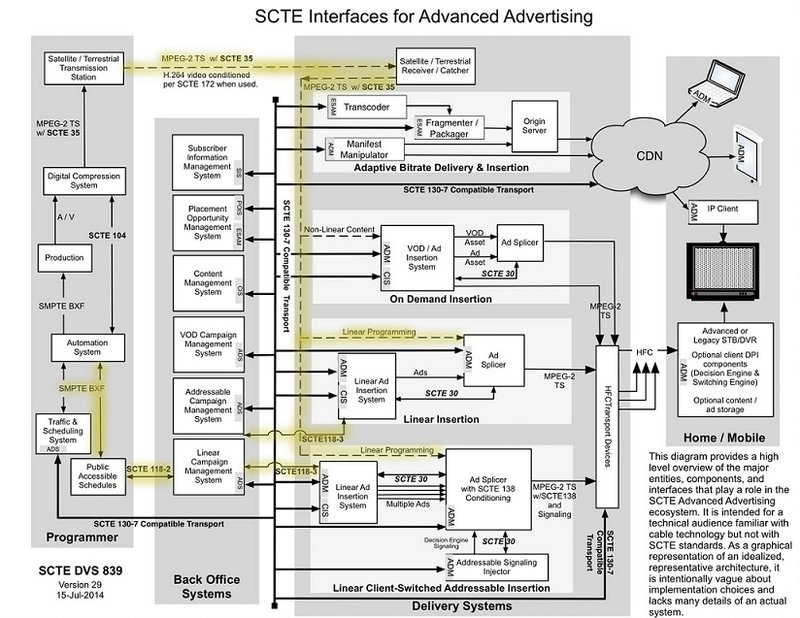
DVS Next Generation Systems
MPEG DASH
Advanced Coding Technologies Drafting Group
Video and Audio Services
Data and Transport Applications
Network Architecture and Management
Transmission and Distribution
Subcommittee Chair
Ryan Capone
Vice President Network Facilities & Energy, Comcast Cable Inc.
Charter
The Energy Management Subcommittee (EMS) is responsible for developing standards and operational practices for reducing power consumption and costs, increasing operating efficiency and recognizing sustainable actions to support both business and the environment.
Working Groups
* Note: You must have an SCTE Standards account to join a working group.
Energy Metrics, Data Collection & Reporting
Access Network Efficiency
The Access Network Efficiency (ANE) group defines how to and what data to collect for establishing a comprehensive value for total power spend across the MSO network. The work includes inside plant (critical infrastructure) and outside power supplies.
Facility Climate Technology Optimization
Microgrid and Alternate Energy
Subcommittee Chair
Tim Cooke
Director of Product Management, Amphenol Broadband Solutions
Charter
The Interface Practices Subcommittee (IPS) develops standards and operational practices for active and passive equipment, including cables and connectors, used in broadband communications systems. The focus of the work is in the access network, including headends, hubs, outside plant, and customer premises. The work includes standards for the physical construction and performance of the equipment, as well as test procedures for measuring the performance and compliance of the equipment.
Working Groups
* Note: You must have an SCTE Standards account to join a working group.
Active Devices
Passive Devices
Connector & Cable
The IPS Cables and Connectors working group creates standards and operational practices related to metallic cables and connectors, excluding fiberoptic components.
Fiber Optics
Construction & Maintenance
Cable and Connector Sustainability
The Cable and Connectors Sustainability group Identifies and proposes improvements to the sustainability of cables and connectors. Topics include finding alternatives to standards that contribute to upcycling challenges, determining minimum quantity of recycled material required for the construction of coaxial cables, and reducing difficult-to-recycle components such as adhesives or plastic components such that the cable can be recycled more efficiently & cost-effectively with the purpose of being reused both within the cable industry as well as for other applications.
Subcommittee Chair
Charter
The Network Operations Subcommittee (NOS) develops standards, operational practices, technical reports, and industry references to provide support for the implementation and operation of cable networks. NOS focuses on network testing, measurements, business continuity, disaster recovery, and other topics relevant to the performance and operational management of cable networks.
A longtime reference for cable operators, referenced by FCC §76.601 and FCC §76.605, NCTA Recommended Practices for Measurements on Cable Television Systems is now under the auspices of SCTE and is in its fourth edition. SCTE Measurement Recommended Practices for Cable Systems, Fifth Edition is available here.
Working Groups
* Note: You must have an SCTE Standards account to join a working group.
Network and Service Reliability
Business Continuity & Disaster Recovery
The Network Operations Subcommittee (NOS) Business Continuity Planning and Disaster Recovery working group creates standards and operational practices to prepare for and respond to natural and man-made disasters that may result in widespread service outages. Goals include minimization of mean-time-to-repair and rapid response based upon selected criteria. This working group also manages the cable industry’s involvement in the Department of Homeland Security (DHS) SHARES project. SHARES is a program for using high-frequency (HF, or 3 MHz to 30 MHz) radios as a communications method of last resort in the event of a disaster.
HFC Management
The Network Operations Subcommittee (NOS) HFC Management working group (formerly known as the HFC Management Subcommittee, or HMS) develops standards and operational practices for monitoring hybrid fiber/coax (HFC) networks, including end-to-end multimedia quality of service and management information base (MIB) attributes for headend and outside plant equipment.
DOCSIS 4.0 Tools and Readiness
Wireless
Proactive Network Maintenance (PNM)
The Network Operations Subcommittee (NOS) Proactive Network Maintenance (PNM) working group creates standards, operational practices, guidelines, and training content in collaboration with industry partners’ PNM initiatives. The efforts of this working group are focused on standardizing and expediting new PNM technology to operations and in the field.
Test Measurements
The Network Operations Subcommittee (NOS) Measurements working group creates standards, operational practices, and technical reports on measurements that can safely be conducted on live cable systems.
Join SCTE Standards
Your company can join SCTE Standards and unlock a world of engagement and influence.